


Monster Chase
4.5140.00 Reviews
App Specs
- Version
- 2.2.1
- Updated On
- License
- Free
- Downloads
- 5,000,000+
- Developer
- Ketchapp
- Categories
- Arcade
- Platform
- Android
Screenshots
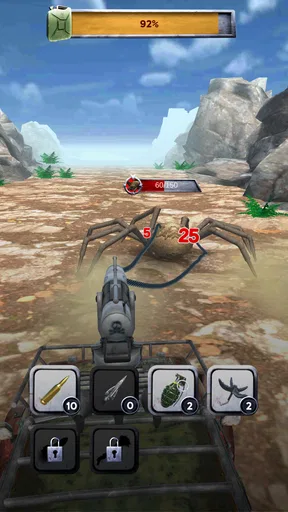
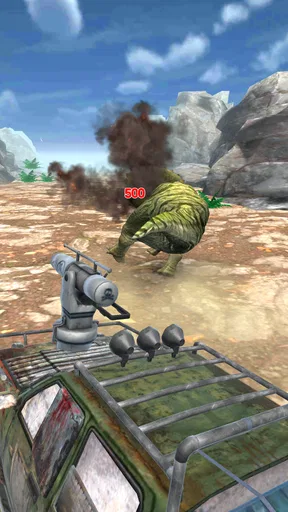
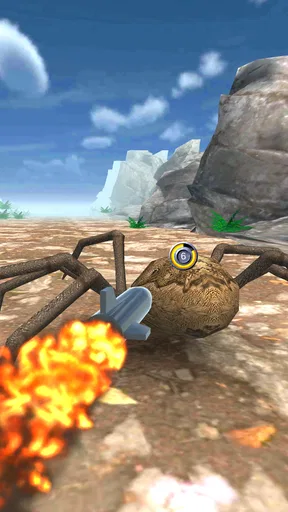
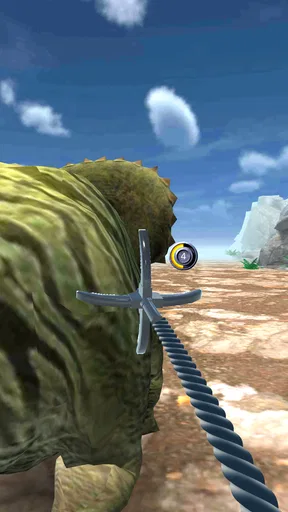
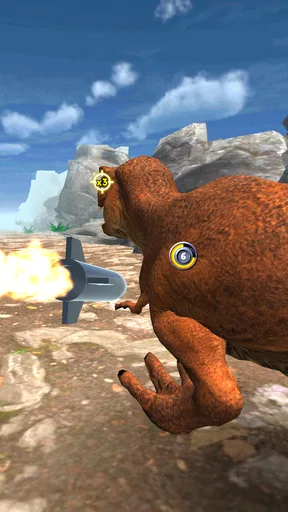
 Analysis by AppCompare
I spent time with Monster Chase as a quick arcade game from Ketchapp, and my first impression was that it aims for immediate action rather than a long tutorial or a complicated progression system. The store summary, “Chase them all!”, captures the basic mood, but it does not explain the more practical question: whether the game remains comfortable and understandable when you are playing in short bursts, in a noisy room, or with less-than-perfect reaction speed. That is where my experience became more useful than the simple premise.
This is a free game, classified as an arcade title, with a Teen content rating. It has reached over five million installs and holds a 4.5 average from around twenty-two thousand ratings, which suggests that its quick-play format has found a sizeable audience. Ketchapp is a developer known for compact mobile experiences, and this release follows that general philosophy: open it, understand the immediate objective, and start playing without having to study a large rule set first.
I would describe it as a good fit for someone who wants a focused distraction rather than a deep adventure. It works best when I treat each attempt as a small challenge, not as a substitute for a full console-style game. That distinction matters, especially for players who need generous pacing, extensive customization, or very clear accessibility controls. The strongest part of Monster Chase is its low commitment; its biggest weakness is that fast arcade design can make inclusion depend heavily on the player’s own situation.
How clearly the game communicates what is happening
I find that Monster Chase’s clearest strength is how quickly its chase premise gives a session direction. This section looks at the difference between understanding the goal and comfortably following the action, especially when visual changes come quickly. That distinction matters because an easy-to-grasp game can still ask a lot of a player’s attention.
Readable action without a long learning curve
The game’s central idea is easy to grasp: chase monsters and keep up with the action. I did not feel that I needed a lengthy explanation before trying it. That simplicity is valuable for younger players within the Teen rating, casual players returning after a break, and anyone who dislikes games that bury the first playable moment under menus and instructions.
Its arcade structure also makes the goal easier to remember. Instead of asking me to track a large inventory, a branching story, or several unrelated objectives, it keeps attention on the immediate chase. When I put the game down and came back later, I could reconnect with the basic task quickly. For a phone game used during a commute, a waiting period, or a short break, that is a real strength.
At the same time, simple does not automatically mean accessible. A player who has difficulty processing rapid visual changes may understand the objective but still struggle to follow the action. The difference between knowing what to do and being able to do it comfortably is important here. Monster Chase gives me a straightforward premise, but the arcade format still expects attention and timely responses.
Worth Reading Before You Choose

EA SPORTS FC Mobile 26 Is a Bigger Football Game, but It Takes Time

Flipboard Shows What News Apps Must Do Beyond the Feed

Switching to Android Auto Means Rethinking Your Driving Routine

Google Calendar Makes a Crowded Week Easier to Manage

Ludo King Makes the Most of the Minutes Between Plans

Baby Panda World Brings Quick Play to Modern Phones, but Its Game Library Feels Busy
Navigation that suits short sessions
I found the overall experience easier to approach than a game with many layers of navigation. The short-session design reduces the amount of information I need to hold in mind, and that can help players who become tired by dense menus or complicated upgrade screens. It also makes the game less intimidating for someone who is not a regular mobile gamer.
There is a practical benefit to this structure: I can play without planning a long session. If I only have a few minutes, the game still makes sense as an activity. I do not have to remember a detailed storyline or reconstruct a large strategy from the previous evening. That makes it particularly suitable for people who prefer predictable, repeatable interactions.
However, players who rely on highly explicit navigation cues should approach it with realistic expectations. An arcade game built around chasing is naturally more demanding than a turn-based puzzle game, where I can pause and inspect the board. If your priority is calm exploration or deliberate menu-based play, a slower alternative will probably communicate more comfortably.
Useful habits for keeping the screen understandable
One small but useful habit is to begin a session when the phone is held steadily and the display is free from glare. That sounds obvious, but it matters more in a game where the next moment can arrive quickly. I also prefer playing with the screen at a comfortable brightness rather than relying on a dim display in a bright environment. These are not special game features, but they make the visual information easier to follow.
I would also avoid starting a serious attempt while simultaneously handling notifications, conversation, or another task. Monster Chase is easy to open casually, yet its arcade demands reward uninterrupted attention. If I am distracted, the problem is not that I have forgotten a complex rule; it is that a brief lapse can make the current chase harder to recover.
Motor and sensory demands during a chase
I pay particular attention to how the chase feels in the hands and senses, rather than treating a simple objective as proof that the game is easy for everyone. A steady grip and a quiet moment can help, but comfort varies with reaction speed, vision, and sensitivity to movement or sound. The next section considers why the same brief attempt may feel manageable to one player and tiring to another.
Why reaction speed matters
The main accessibility question is motor demand. Chasing in an arcade setting usually means that timing, direction, or quick decisions matter more than long-term planning. In my experience, this creates a clear divide between players who enjoy responsive action and players who need more time between decisions. The game feels lively when my hands and attention are ready, but less forgiving when I am tired or when precise movement is difficult.
That does not make it unsuitable for every player with a motor limitation. Some people may find the repeated structure easier than a game with many different controls, because the mental model remains focused. The challenge is consistency: if the required input is quick or repeated, discomfort or reduced dexterity can become more noticeable over time. I would recommend short sessions and frequent breaks rather than trying to push through frustration.
A helpful approach is to test the game during a calm moment before deciding whether it fits your needs. A player may manage the opening moments comfortably but find later intensity too demanding. Another player may prefer the simplicity of one recurring action over a game that constantly changes its control scheme. The right answer depends less on the label “arcade” than on how your hands respond to its pace.
Visual and auditory comfort
Fast visual movement can be tiring for people who are sensitive to motion, flashing changes, or crowded scenes. I would not choose Monster Chase as my first recommendation for someone who specifically seeks a low-stimulation experience. A slower puzzle game or a turn-based title gives more control over the speed at which information arrives.
Players with reduced vision may also want to test the game carefully. Recognizing the target and understanding the immediate situation are central to the chase, so small or rapidly changing visual elements can create an extra burden. Increasing the phone’s system text size may not improve every in-game element, because games do not always follow the same scaling behavior as ordinary menus. That is one reason I would try the actual play area rather than relying only on the store page.
Sound can influence the experience too, even when the visual objective is understandable. I often play mobile games with audio lowered or muted, especially in public places. Monster Chase remains more practical for me when I can focus on the screen, but players who depend on sound cues should not assume that every important event will be equally clear without visual confirmation. Conversely, people sensitive to sudden audio may prefer to begin with the device volume low and adjust gradually.
Touchscreen technique and fatigue
For players who find small touch targets difficult, the best personal test is not a single attempt but a short sequence of attempts. Repeated touches can feel manageable at first and become tiring later. I noticed that my own accuracy was more reliable when I kept my grip relaxed and avoided covering too much of the display with my thumb. That is a simple technique, but it can make the action easier to read and reduce accidental contact.
Players using a phone one-handed may have a different experience from those using both hands. One-handed play is convenient when standing or holding a bag, but it can limit stability and make quick responses less comfortable. Two-handed use gives better control of the device, although it is less practical in crowded or moving environments. This is a good example of how the same game can be accessible in one context and awkward in another.
Where the game fits into everyday situations
I think the game makes most sense when a player can give it a short, focused window instead of squeezing it into every spare second. A few minutes of waiting can suit its immediate arcade challenge, while walking, crowded travel, or divided attention can make the same design less practical. That everyday context leads directly to the question of where its convenience has limits.
A realistic short-break scenario
Imagine waiting for an appointment with only a few minutes available. I can open Monster Chase, play a brief round, and stop without feeling that I have abandoned a larger story. That is the kind of everyday use where the game makes sense. It gives me a compact activity with a clear focus, and I do not need to prepare a session in advance.
The same quality helps when I want a mental reset after work. A short chase can pull my attention away from repetitive scrolling and give me a small, defined challenge. Still, I would not play it while walking, crossing a street, or doing anything that already requires visual attention. The game’s immediacy is convenient, but it also encourages the sort of “just one more attempt” focus that is unsafe when the surroundings demand concentration.
Playing in public, at home, and while travelling
At home, I have the most control over comfort. I can hold the phone securely, choose a suitable brightness, and stop when my eyes or hands feel tired. In public, the situation changes. Glare, movement, background noise, and the need to hold the device discreetly can all make a quick arcade game less forgiving. Someone with limited dexterity may find that a stable seat makes a bigger difference than the game itself.
For travel, the short-session format is appealing, but motion can complicate visual tracking. On a moving bus or train, I would expect some players to experience more fatigue or reduced accuracy than they would at home. If you are prone to motion sensitivity, a slower game may be a better companion. Monster Chase is at its best when the player can give the screen steady attention rather than trying to squeeze it into every possible moment.
Who is likely to enjoy it most
I think the game suits players who like immediate goals, repeated attempts, and the satisfaction of improving through practice. It is especially appealing if you prefer an arcade loop over a long narrative and want something that can be understood quickly. The free entry point also makes it easy to try without committing money at the start.
It may be less suitable for people who want a relaxed pace, extensive accessibility settings, or a game that can be enjoyed mainly through planning. Players who dislike repetition may also lose interest sooner than fans of score-chasing arcade design. If you need a title that accommodates slow reactions, large adjustable controls, or a highly customizable interface, I would investigate other options before settling on this one.
Costs, device expectations, and practical friction
The free starting point makes it possible to test the feel of the chase before deciding whether it belongs on your phone, while optional purchases and device compatibility are worth considering in advance. I would separate those practical questions from the more personal one of whether the screen and touch response feel comfortable on your own device. The following section weighs the frictions that can remain even after a careful setup.
Free to start, with optional spending
Monster Chase is free to download, which lowers the barrier to testing it on your own device. The game includes in-app purchases ranging from ninety-nine cents to ninety-nine dollars and ninety-nine cents per item. That range is worth noticing even if you intend to spend nothing. I would approach the game with a clear personal rule: decide in advance whether you are comfortable with optional purchases and keep the device’s purchase controls appropriate for the person using it.
For me, the free starting point is enough to judge whether the core chase feels comfortable. I would not spend money simply to overcome frustration before deciding that the basic interaction suits my hands and eyes. This is particularly important for families, since the Teen rating and the presence of in-app purchases make supervision a sensible part of setup.
Compatibility and version considerations
The current version is 2.2.1, and the game requires Android 7.0 or later. That makes the operating-system requirement relatively approachable for many Android users, but compatibility is not the same as comfort. A phone may run the game while still offering a smaller screen, weaker performance, or a display that makes fast action harder to follow.
If you are installing it on an older device, I would test a short session before making it a regular game. Watch for heat, stuttering, or touch responses that feel inconsistent, because those issues can be mistaken for personal timing problems. A stable experience is especially important for players who already need more time to react. When the device adds delay, the game becomes less inclusive even if the software technically opens.
Why it differs from slower arcade alternatives
Compared with a match-three puzzle or a turn-based arcade game, Monster Chase places more emphasis on immediate response. Those alternatives are usually better when I want to pause, inspect the situation, or play while my attention is divided. Monster Chase is the better choice when I want the opposite: a compact activity that demands my focus for a short period.
Compared with a large action game, it is less of a commitment. I do not approach it expecting an expansive world, a lengthy campaign, or the same depth as a premium console-style experience. That lighter scope is not a flaw by itself; it is the reason the game works as a pocket distraction. The trade-off is that players seeking long-term variety may find the repeated chase less satisfying than a game with richer systems.
What still creates barriers
I would not treat a clear premise or broad popularity as a substitute for testing whether the game suits a particular player. Fast action, repeated touch input, and sensory comfort can still be real obstacles, and a slower alternative may be the kinder choice. In the final section, I focus on how those barriers shape who is most likely to enjoy the chase.
Fast action can exclude without intending to
The largest barrier is the relationship between speed and control. A clear objective helps, but it cannot remove the need to respond at the right moment. Players with slower reaction times, tremors, joint pain, limited reach, or fatigue may find that the game asks for more physical precision than they can comfortably give. Short sessions reduce the burden, but they do not change the basic demand.
Visual processing is another concern. If the screen becomes difficult to parse during a busy moment, the player may lose not because the strategy was wrong but because the information arrived too quickly. That can be discouraging for someone who enjoys the idea of the game but needs more time to identify targets or changes in direction.
I also see a contextual barrier for players who need strong audio or visual alternatives. A person who cannot rely easily on one sensory channel may want clear, adjustable redundancy between sound and image. I would not assume that the game offers every option needed for that situation. The safest recommendation is to try it personally, ideally with the device settings already configured for comfort.
Accessibility depends partly on the phone
Because this is a mobile game, the device itself becomes part of the control system. Screen size, touch sensitivity, case thickness, grip, brightness, and operating-system settings all influence the result. A player who struggles on a small phone might have a much better experience on a larger one, while someone with limited reach may prefer a smaller device that is easier to hold securely.
This also means that two people can give genuinely different opinions about the same game. One may find the controls simple and responsive; another may experience missed inputs or hand strain. I would treat those differences as useful information rather than contradictions. Before spending on any optional item, confirm that the physical interaction is comfortable on your own device.
When I would choose something else
I would skip Monster Chase if my main goal were a calm, low-pressure game for visual relaxation. I would also choose another title if I needed extensive control remapping, slow-motion options, or a clearly adjustable difficulty curve. A puzzle game with turn-based decisions would better suit a player who wants to take as much time as needed.
I would be cautious about recommending it to someone who experiences discomfort from fast movement or repeated touch input. That person might still enjoy trying it briefly, but I would not present it as an automatically accessible choice. The Teen content rating is another reason to consider the intended player rather than assuming that a simple arcade presentation is suitable for everyone.
A fair recommendation for inclusive play
After using it as a quick arcade title, I see Monster Chase as an approachable game with a narrow but appealing purpose. Ketchapp keeps the premise easy to understand, and the free download makes experimentation straightforward. The 4.5 average from around twenty-two thousand ratings and its audience of over five million installs show that many players have found the format enjoyable, but popularity does not remove the need to consider pace, touch demands, and sensory comfort.
My practical recommendation is to try it in the setting where you actually plan to play. Use a stable grip, avoid glare, begin with comfortable brightness and volume, and stop when repeated attempts start to strain your hands or eyes. If you are choosing it for another person, especially someone with motor or sensory needs, let that player test the chase rather than judging accessibility from the simple description alone.
Monster Chase is a good pick for focused, short arcade sessions, but it is not the right universal recommendation for players who need slow pacing or extensive adjustments. I would recommend it to friends who enjoy quick reactions and repeated challenges, particularly when they want something lighter than a full action game. I would steer others toward a slower alternative if comfort, deliberate decision-making, or flexible accessibility is the priority. That balanced view is what makes the game worth trying: its strengths are clear, and so are the situations where they become limitations.
As a final practical note, the game is free to start, runs on Android 7.0 or later, and carries a Teen rating, while optional purchases can reach ninety-nine dollars and ninety-nine cents per item. Those details do not decide whether the chase feels good in your hands, but they are important when choosing it for a child, an older phone, or a shared device. For the right player and context, it delivers a direct little burst of arcade action; for everyone else, there are calmer and more adaptable choices.
Pros
- Fast-paced gameplay is easy to understand from the first round.
- Short sessions make it convenient for quick breaks.
- Monster encounters keep the action varied and engaging.
- Simple controls work well on small mobile screens.
- Bright visuals make enemies and rewards easy to recognize.
Cons
- Difficulty can rise quickly and feel frustrating for new players.
- Repeated missions may become predictable after extended play.
- Progress may depend heavily on upgrading characters or equipment.
- Frequent action can drain battery during longer sessions.
- Some features may require an internet connection to access fully.
FAQs for Monster Chase
What is Monster Chase, and how does the gameplay work?
Monster Chase is an action-focused game centered on fighting or escaping monsters through progressively more challenging stages. Players generally need to move quickly, avoid attacks, collect useful items, and use available abilities or weapons at the right moment. The experience is designed for short, engaging sessions, although later levels may require more careful timing, strategy, and repeated attempts to master enemy patterns.
Can Monster Chase be played offline?
Monster Chase may support offline play for its main gameplay, which is useful when you are traveling or have limited internet access. However, some features can still require a connection, including advertisements, online rewards, account synchronization, updates, leaderboards, or in-app purchases. Before relying on offline access, it is recommended to launch the game once while connected and check which modes remain available without Wi-Fi or mobile data.
Is Monster Chase free to download and play?
Monster Chase is generally available as a free download, allowing users to try the core gameplay without paying upfront. Depending on the version, the game may include advertisements and optional in-app purchases for upgrades, extra lives, cosmetic items, currency, or other advantages. Parents should review purchase settings, while all players should check the store listing for the latest pricing and monetization details.
Is Monster Chase suitable for children?
Monster Chase can be suitable for younger players if they are comfortable with cartoon-style monsters, action, and occasional suspense. The exact suitability depends on the game’s visual style, difficulty, advertising, and purchase features. Adults should review the official age rating and privacy information before installation, particularly on a child’s device. It is also sensible to enable parental controls to prevent accidental purchases or access to unsuitable advertisements.
What devices are compatible with Monster Chase, and does it require much storage?
Compatibility depends on the specific Android or iOS version of Monster Chase and the operating system requirements listed in the relevant app store. Most modern phones and tablets should run the game, but performance can vary on older devices, especially during busy scenes. Check the download page for supported operating-system versions, required storage, and recent updates, and keep additional free space available for cached data and future patches.


